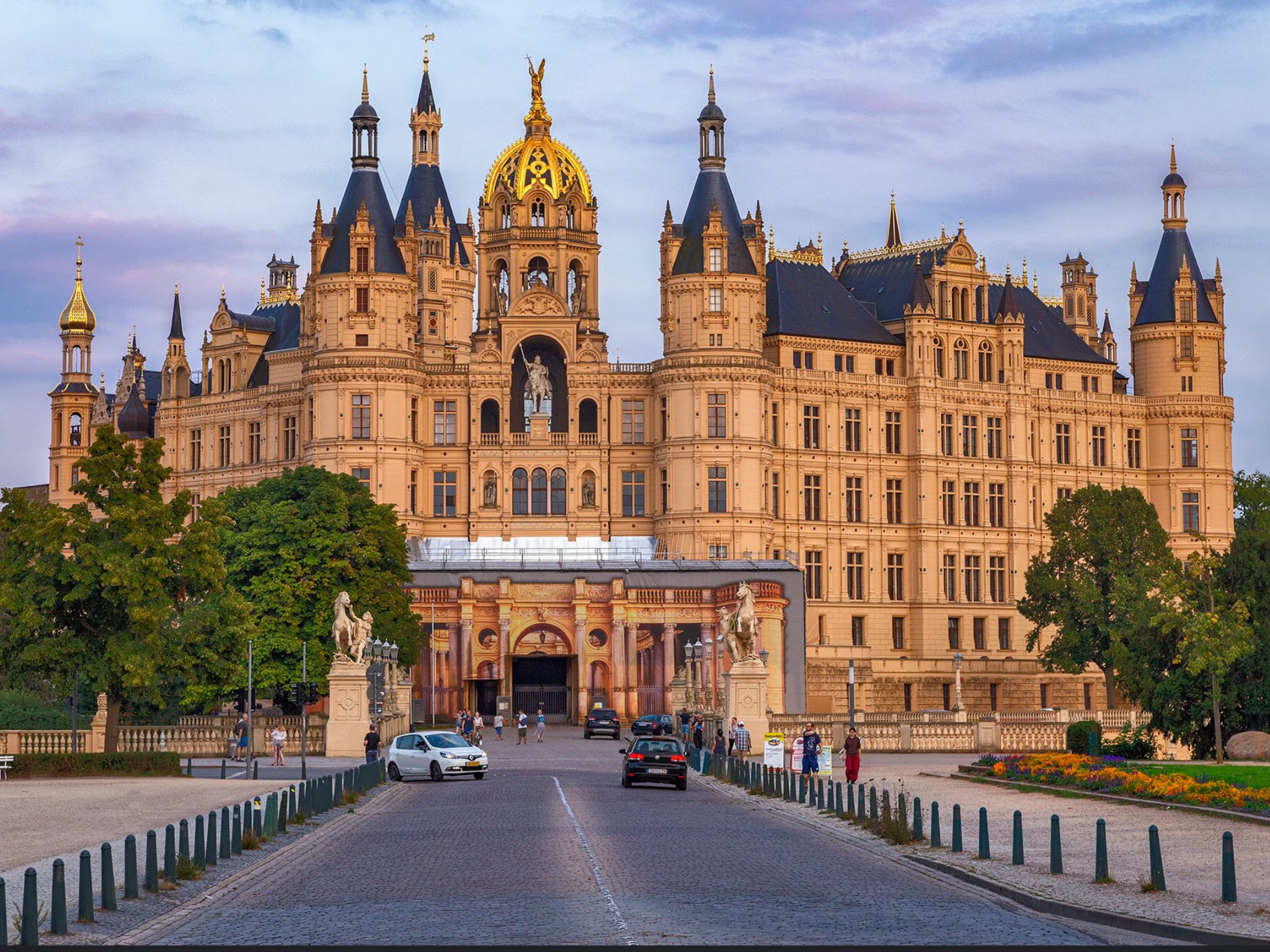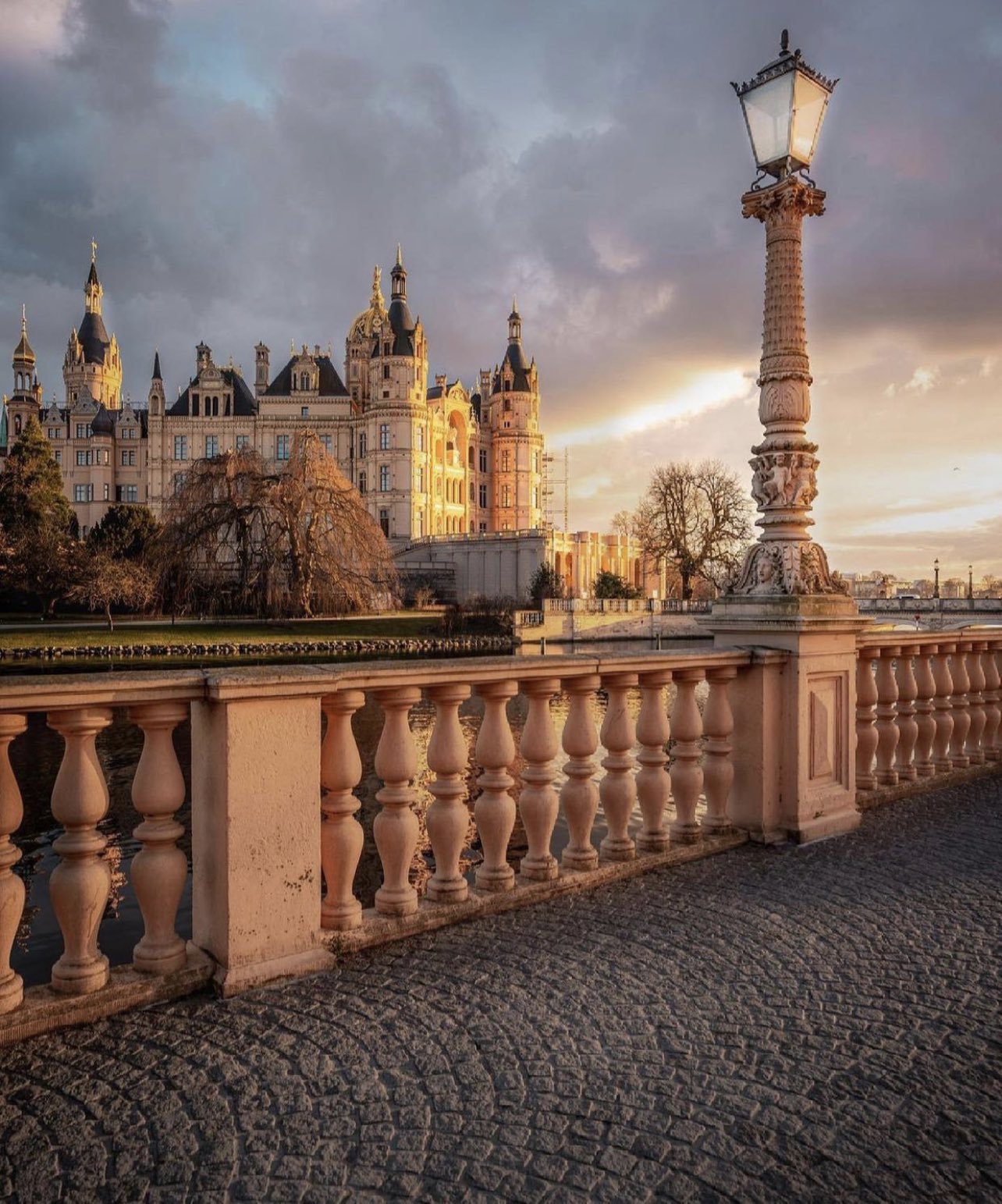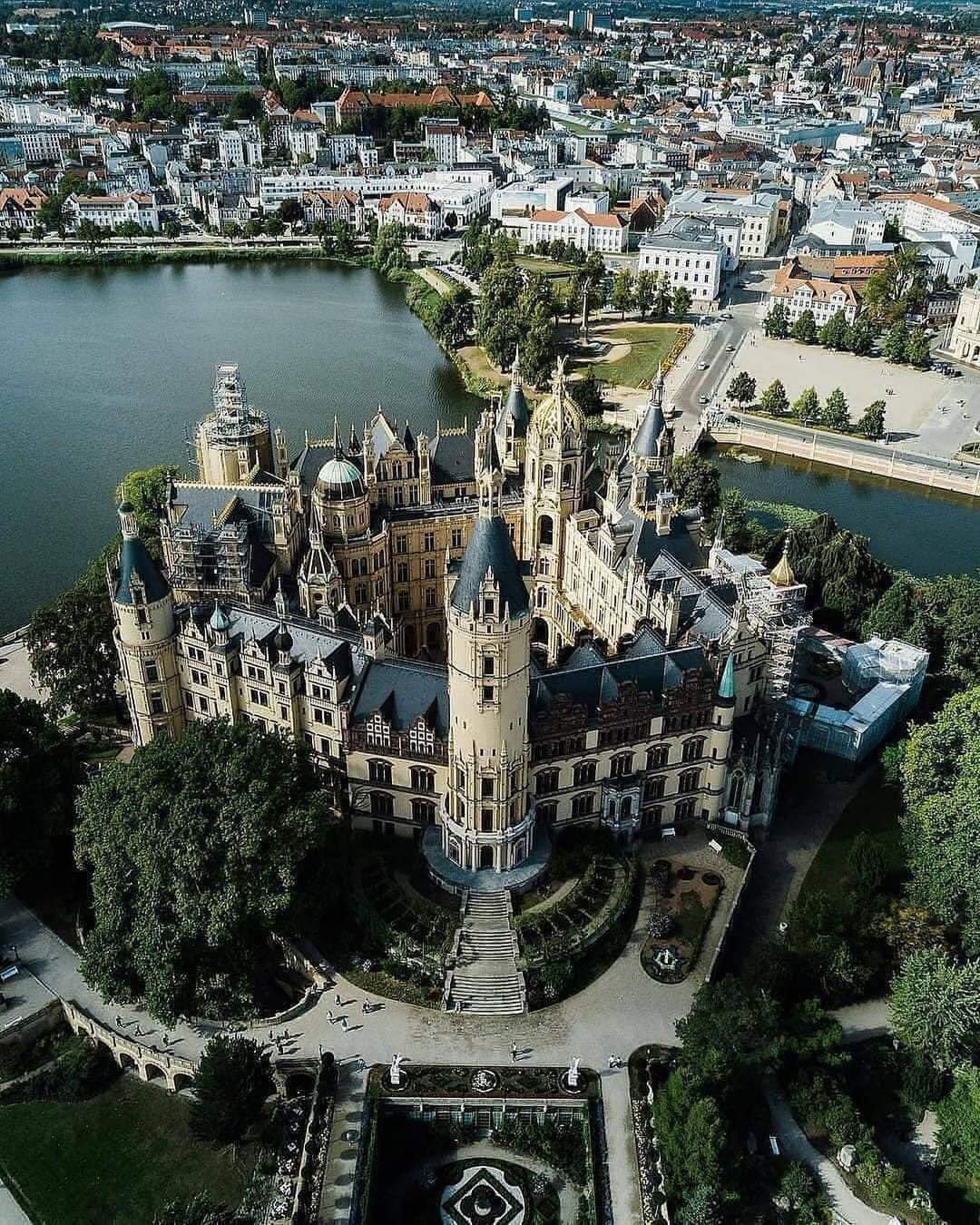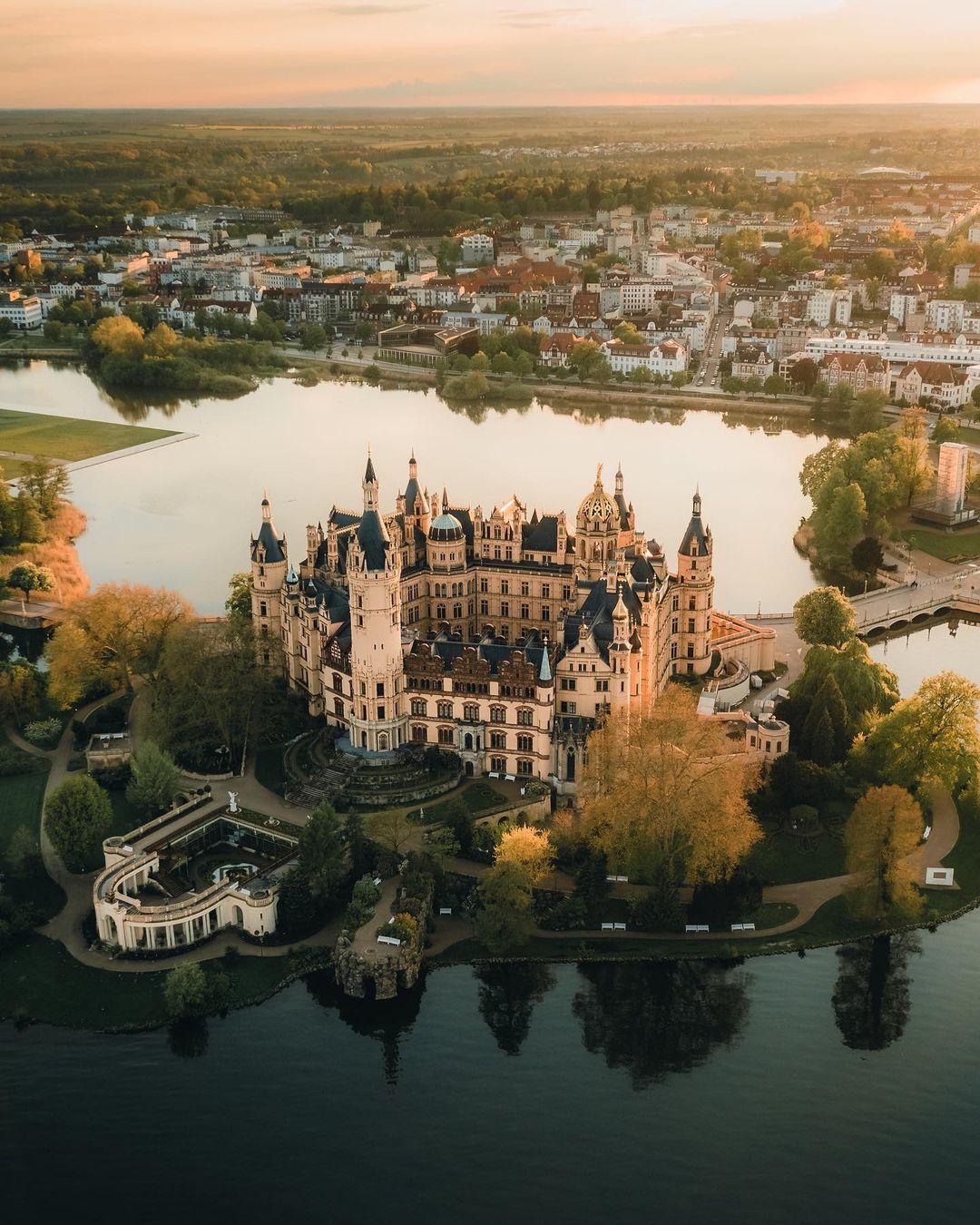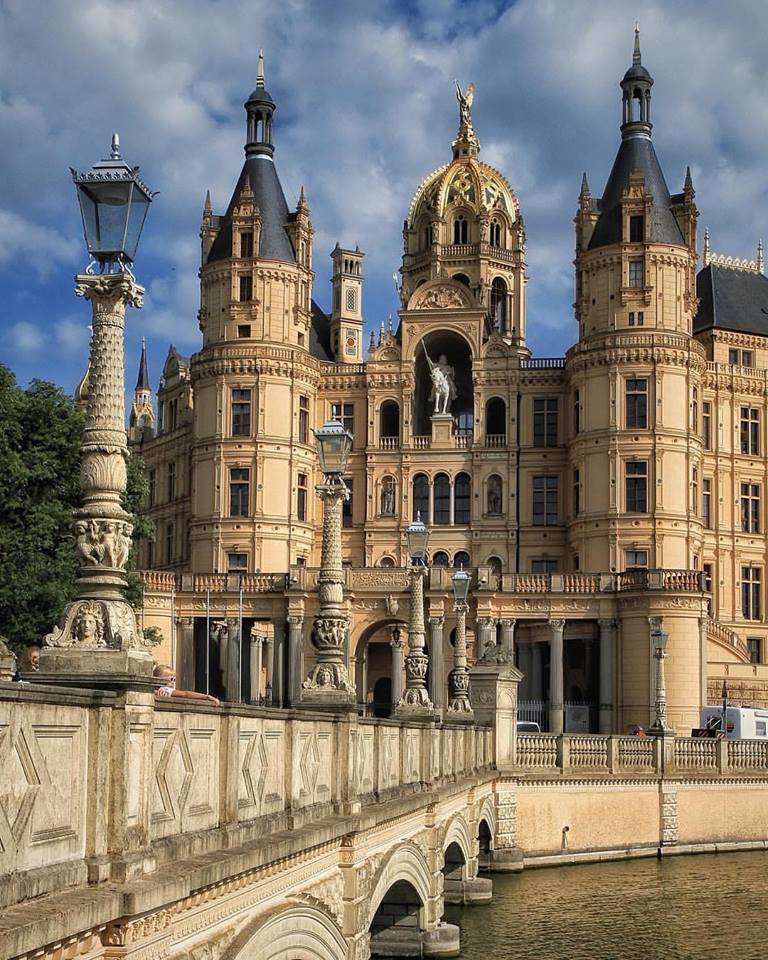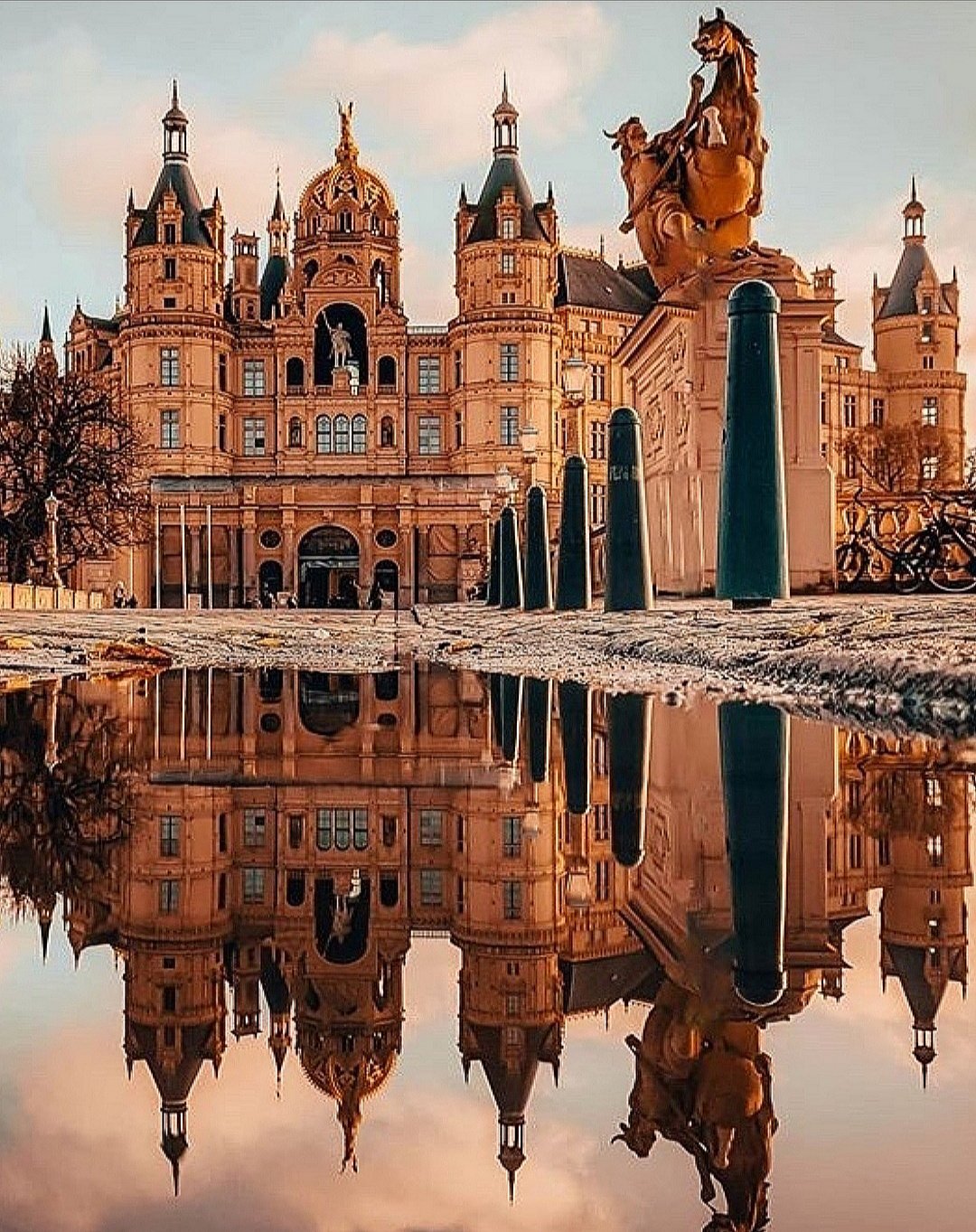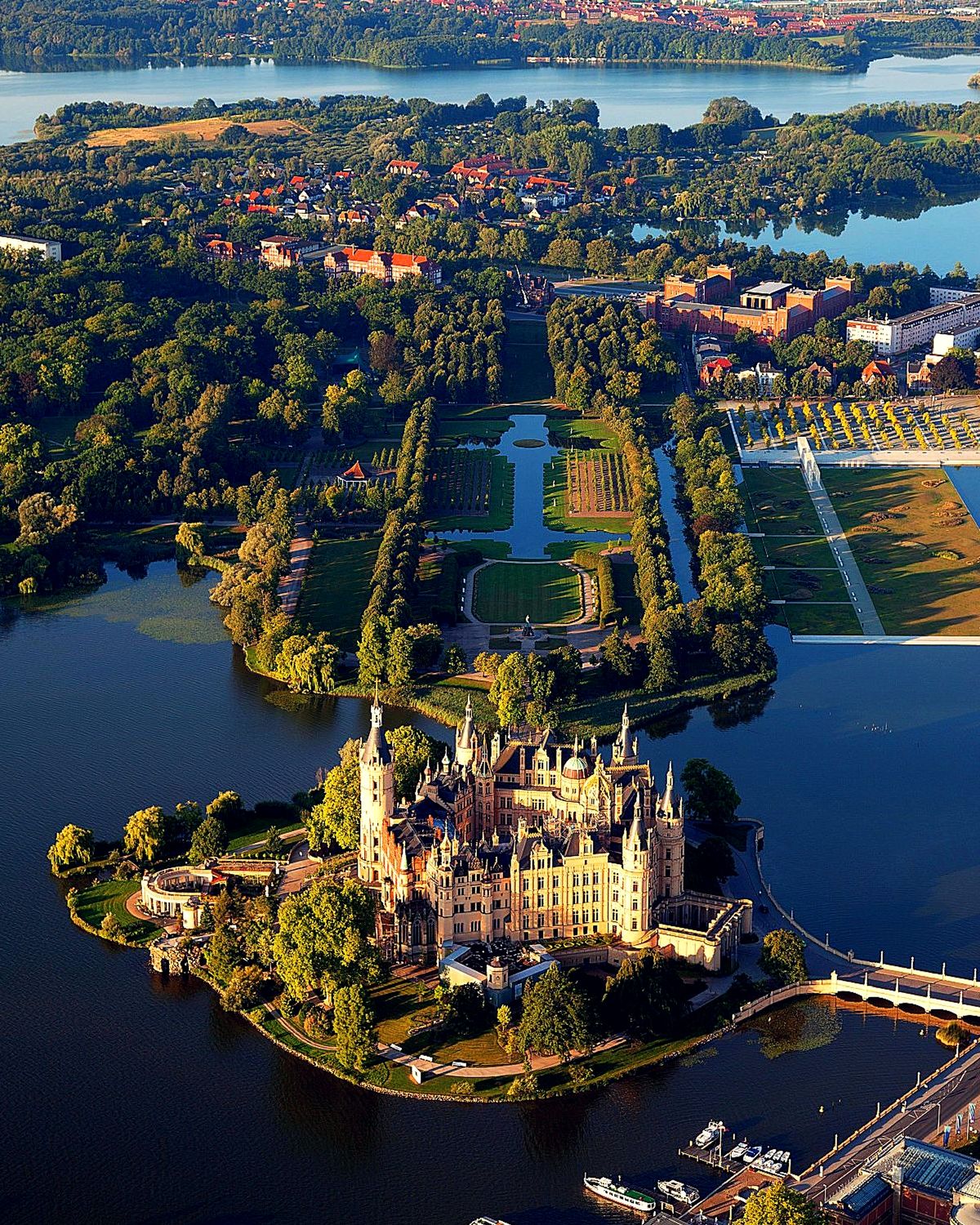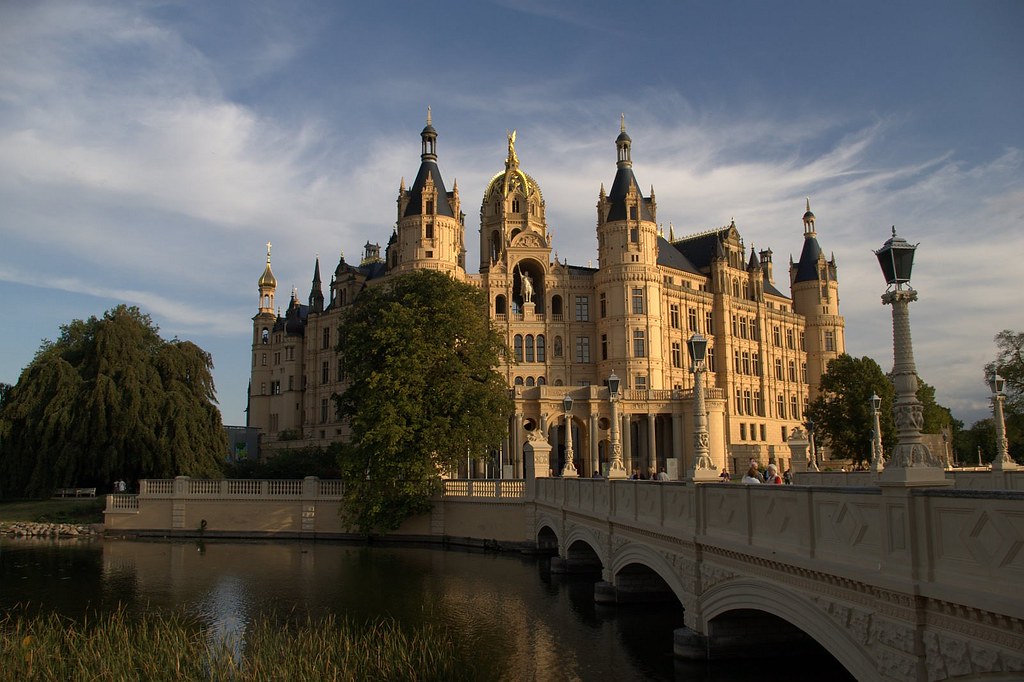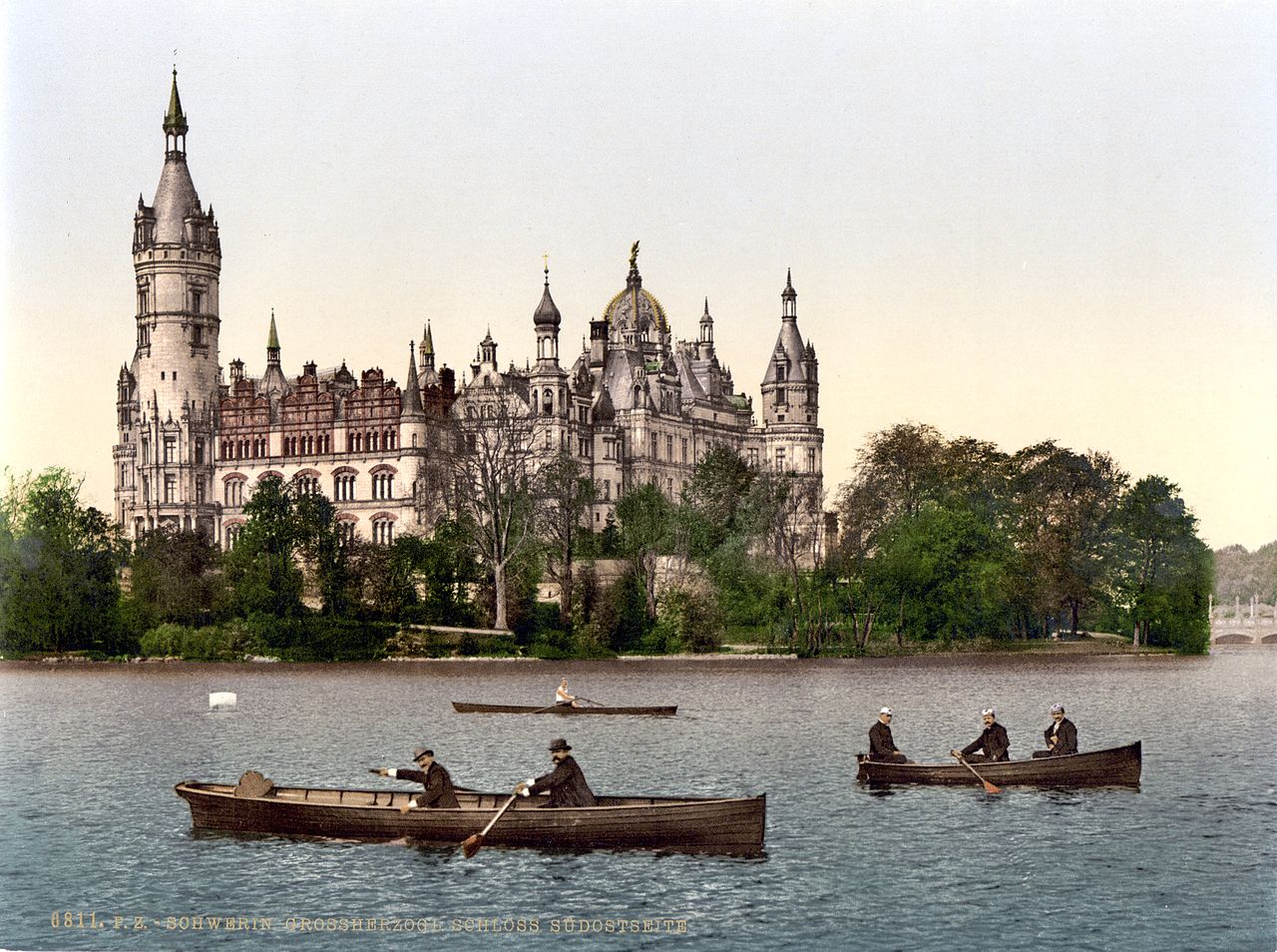
Floating on a serene lake in northern Germany, Schwerin Castle seems lifted from a storybook. Its golden domes, ornate towers, and reflection shimmering on the water have made it one of Europe’s most romantic palaces—and a symbol of Mecklenburg’s proud heritage.
The castle’s origins trace back to the 10th century, when Slavic tribes built a fortress on this island in Lake Schwerin. Over the centuries, it evolved from a medieval stronghold into the grand residence of the dukes and grand dukes of Mecklenburg-Schwerin. By the 19th century, under Grand Duke Friedrich Franz II, the castle was transformed into the stunning Neo-Renaissance masterpiece we see today.
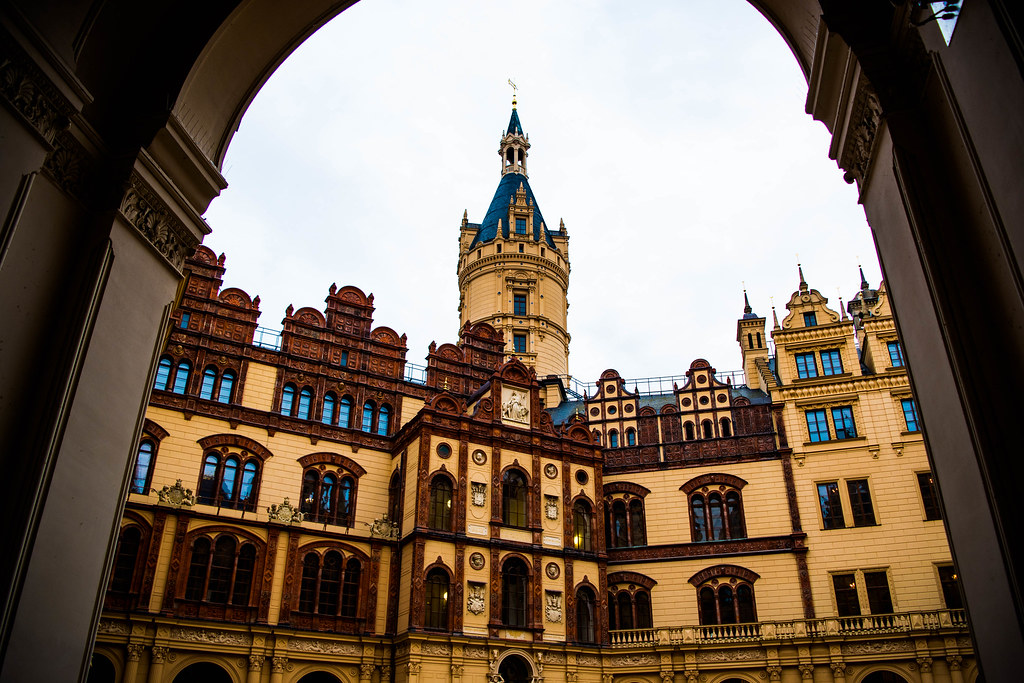
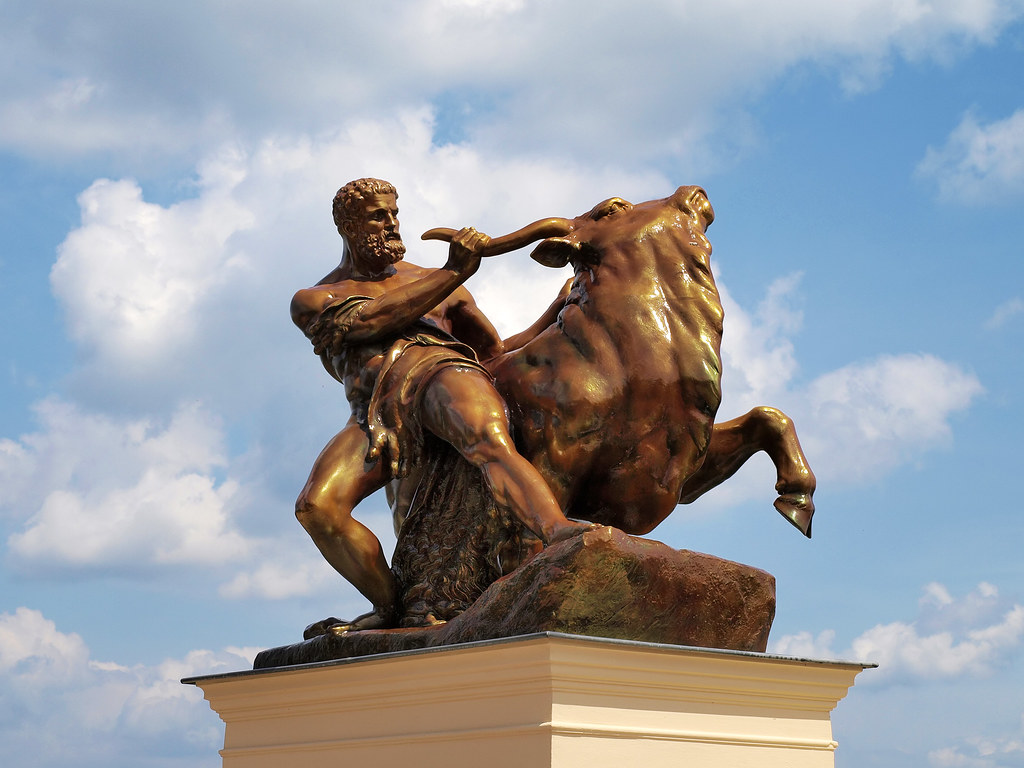
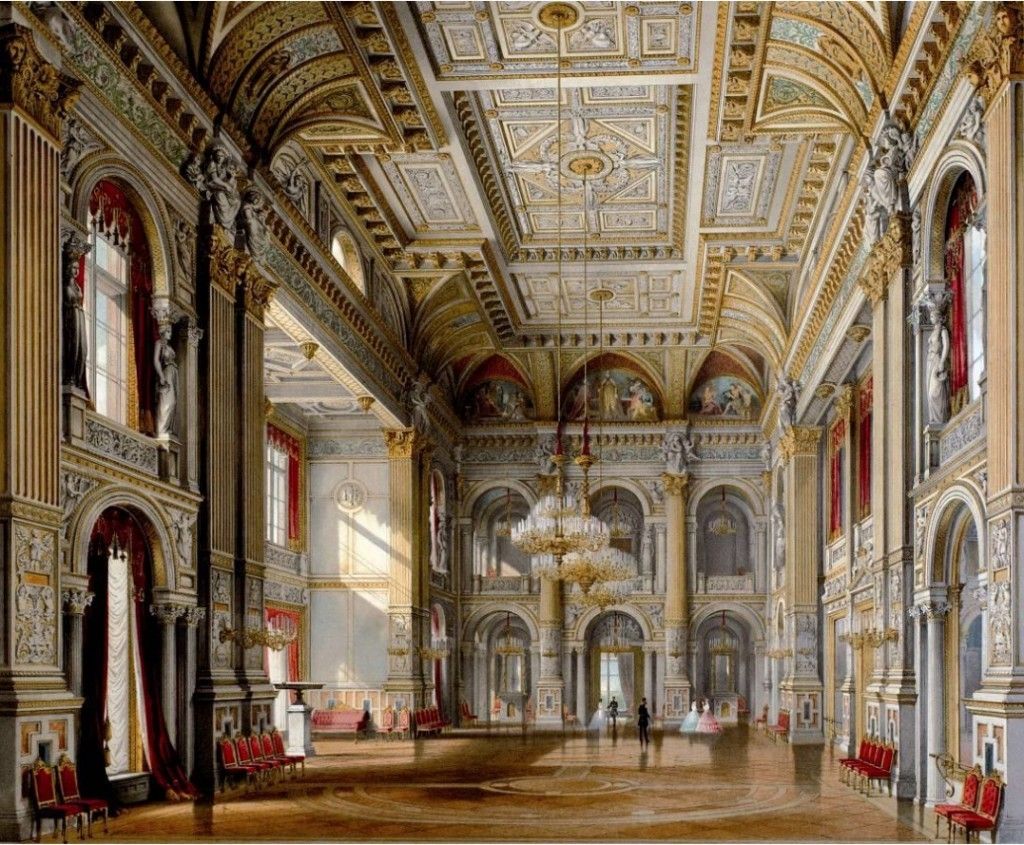
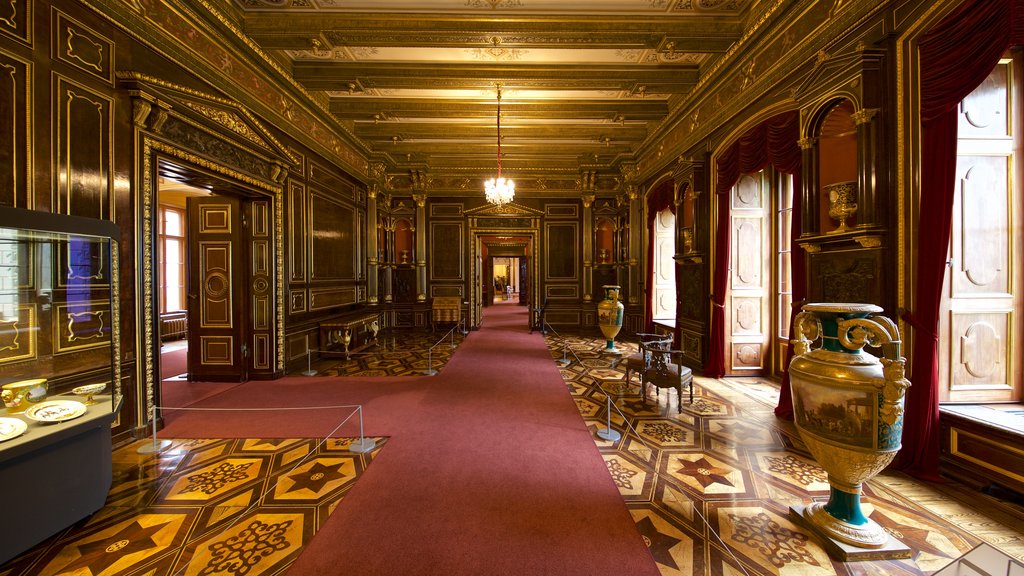
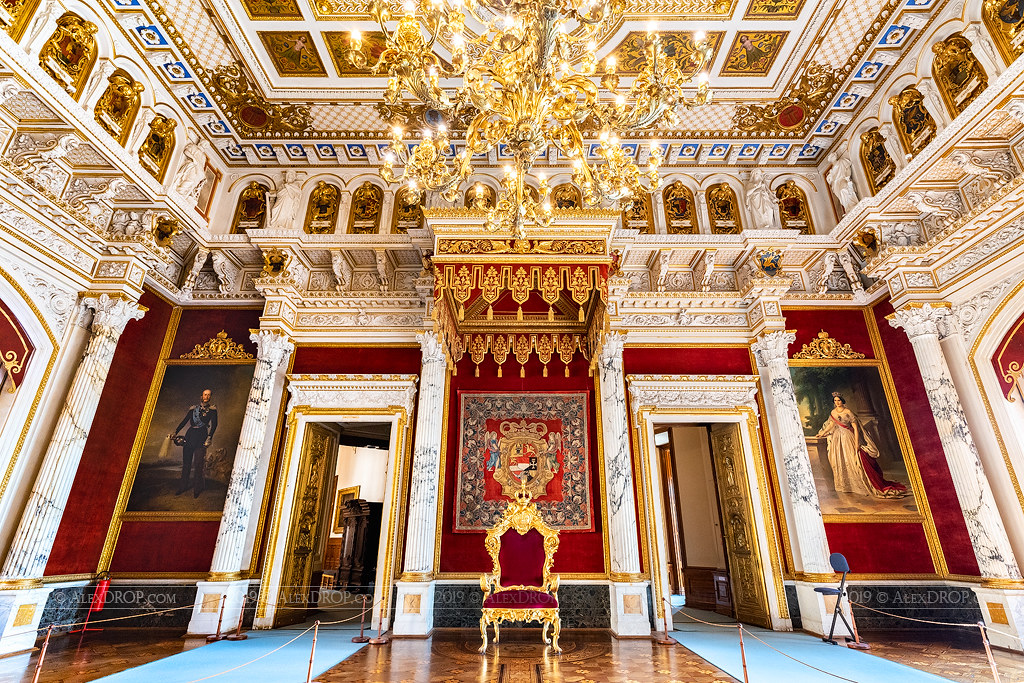
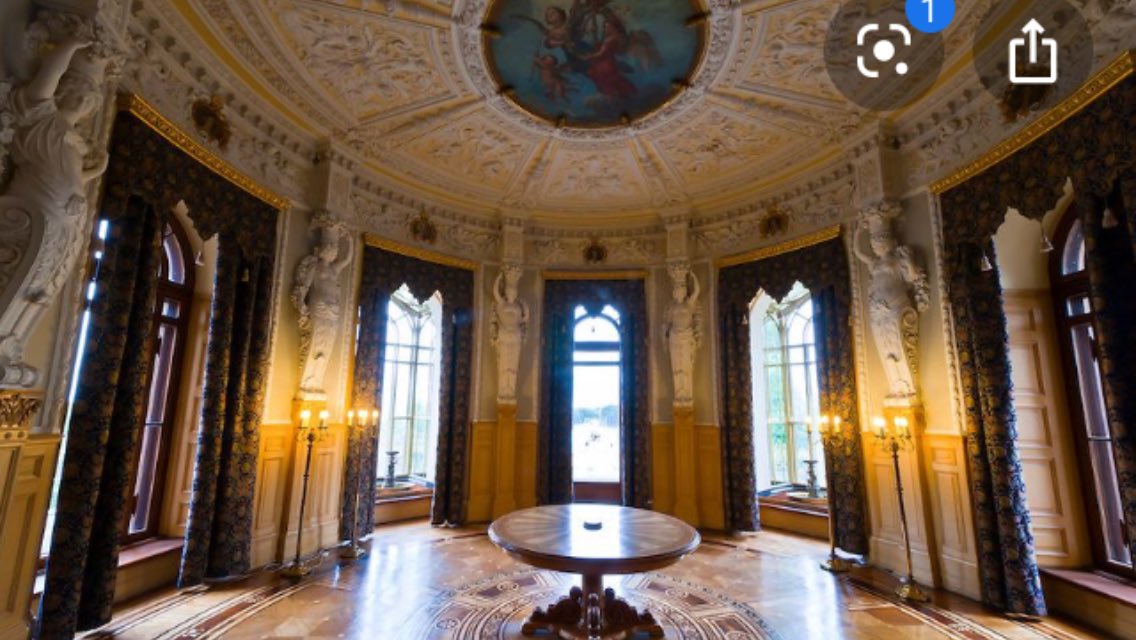
Designed by architects Gottfried Semper and Friedrich August Stüler, Schwerin Castle combines Renaissance grace with Baroque ornamentation. The façade, adorned with statues of virtues and rulers, reflects a dynasty’s aspiration to link beauty with authority. Inside, gilded halls, marble staircases, and vast galleries speak of power and sophistication.
Beyond architecture, Schwerin Castle is steeped in legend. Locals tell of the friendly ghost Petermännchen—a tiny armored knight said to guard the castle against intruders. His myth endures, adding a whimsical note to the grandeur.
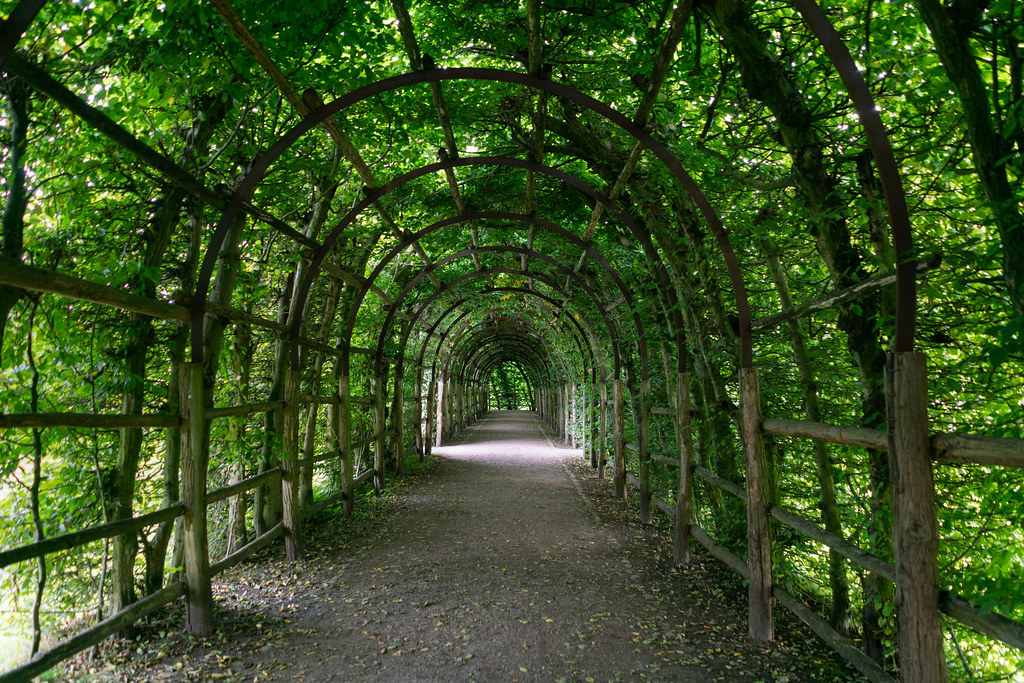
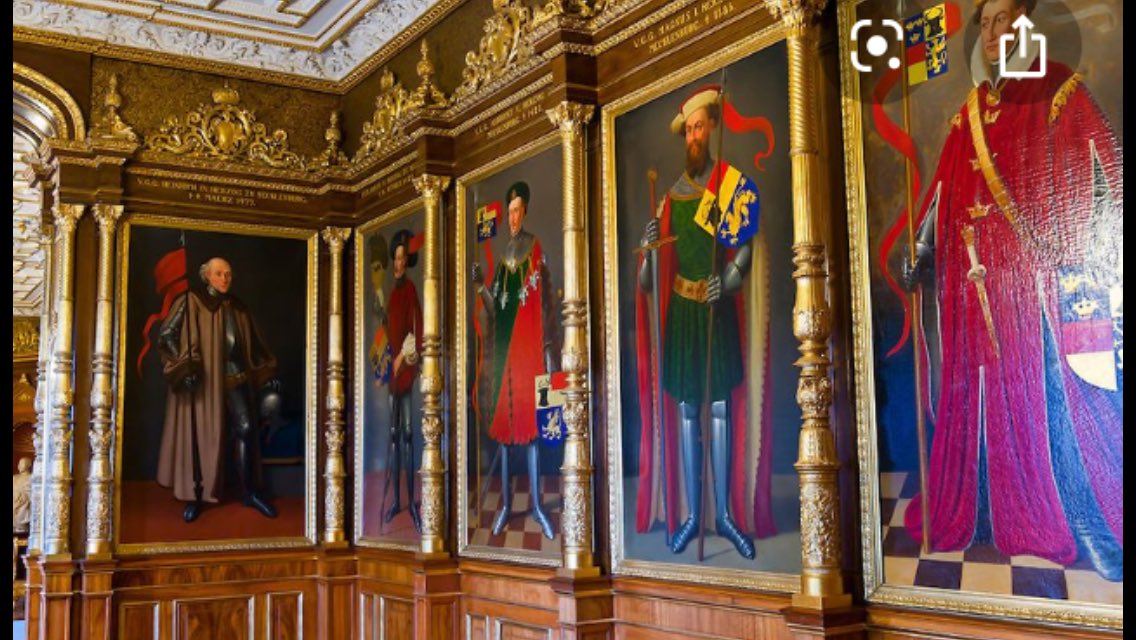
After surviving wars and political upheavals, the castle now serves as the seat of the regional parliament. Yet it remains open to visitors, housing a museum that displays Renaissance art, ducal portraits, and decorative treasures. Its gardens, inspired by Versailles, invite long walks under chestnut trees with views across the lake.
At sunset, the castle glows amber against the water—a living bridge between Germany’s medieval past and democratic present. To stand on its causeway is to witness the endurance of art, legend, and memory in stone.