Origins and Engineering
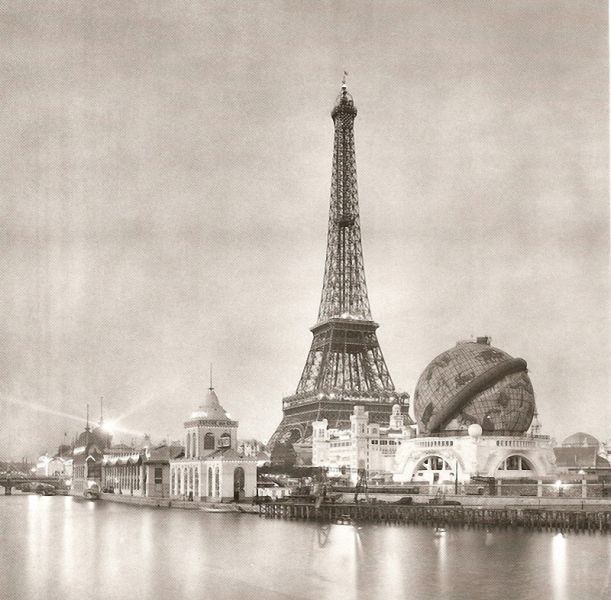
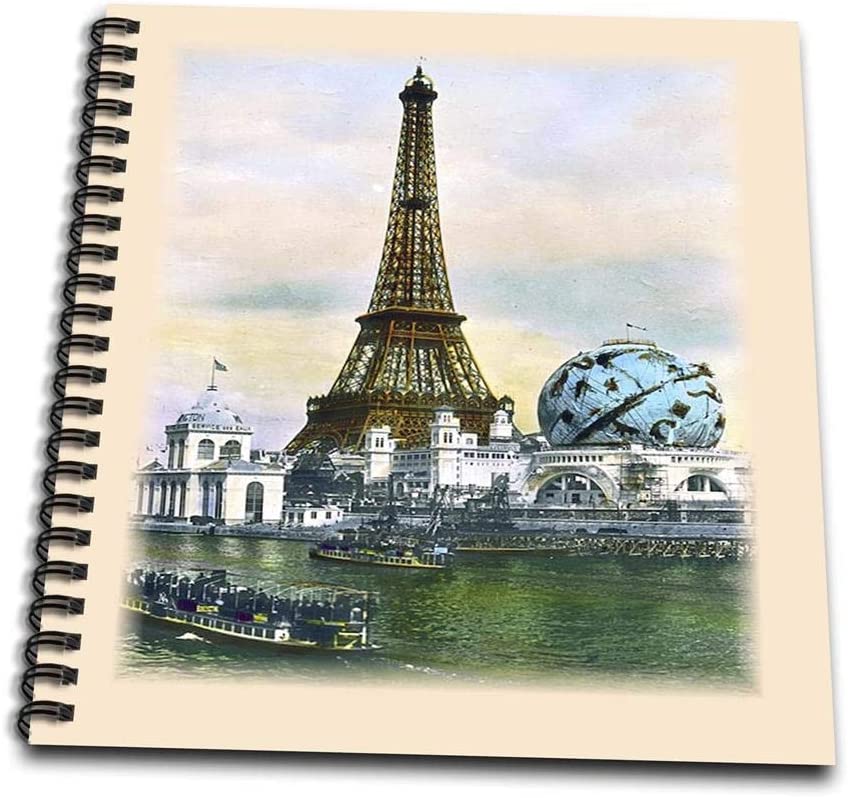
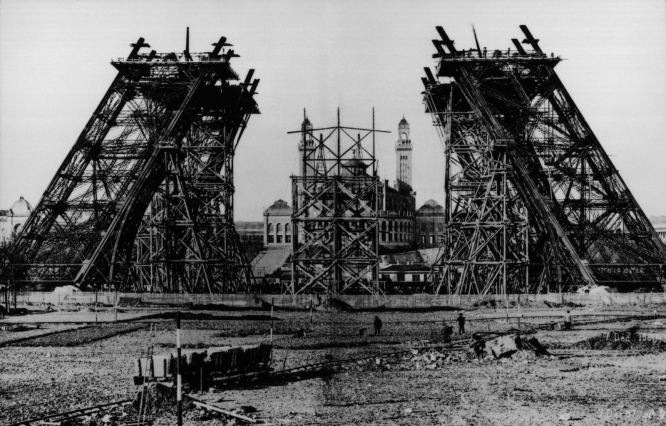
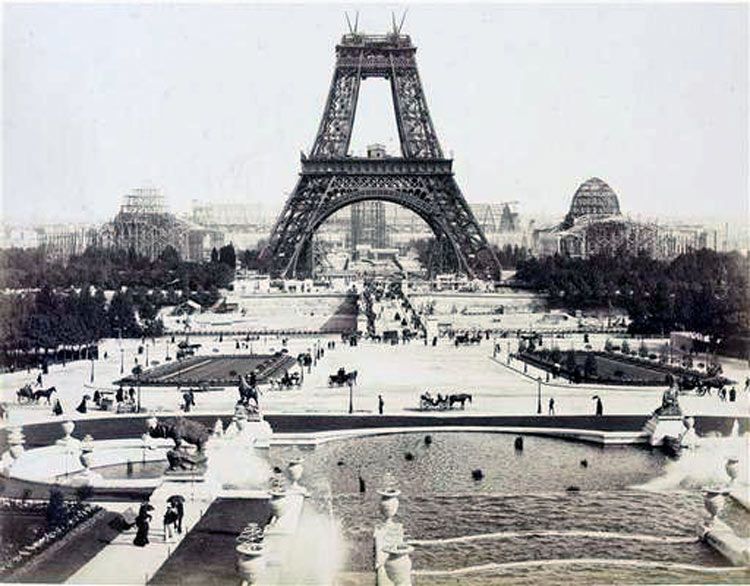
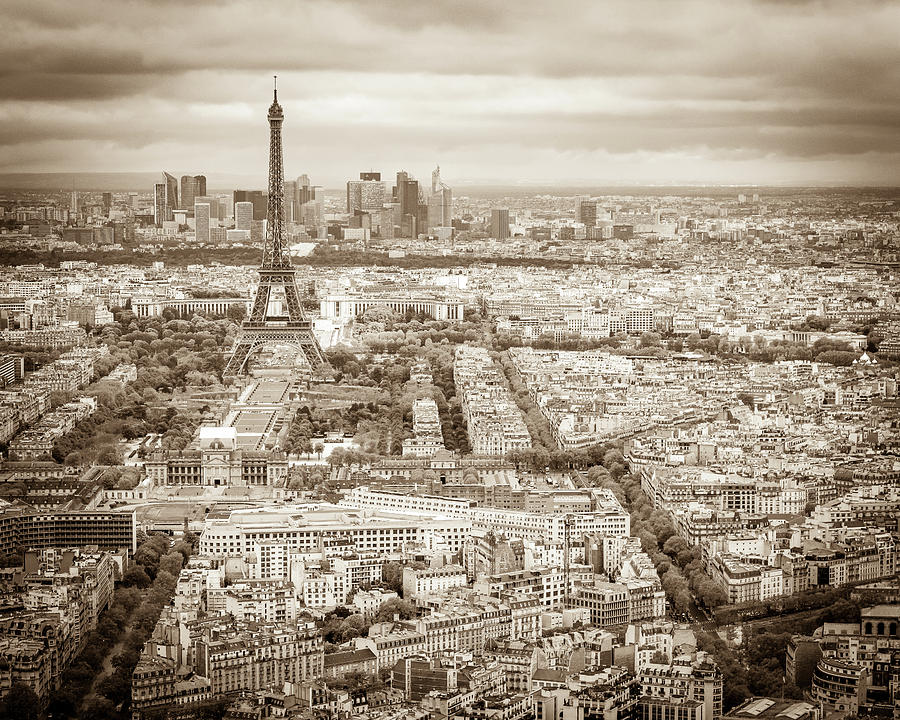
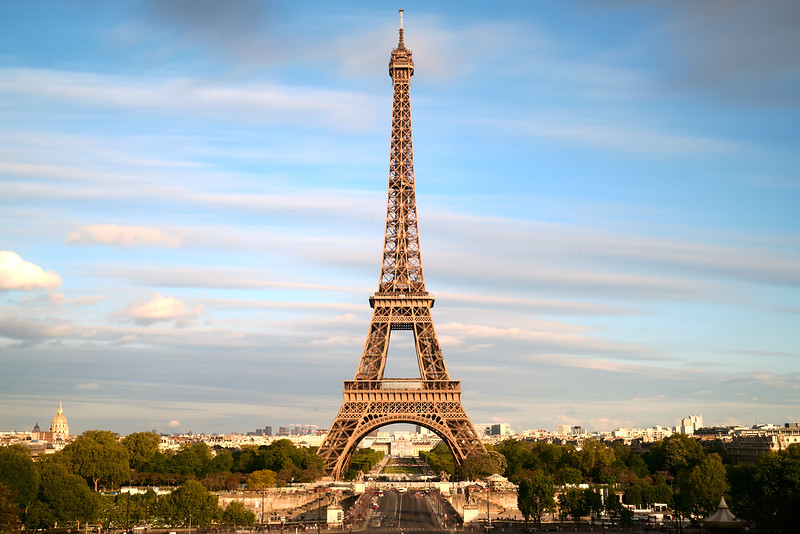
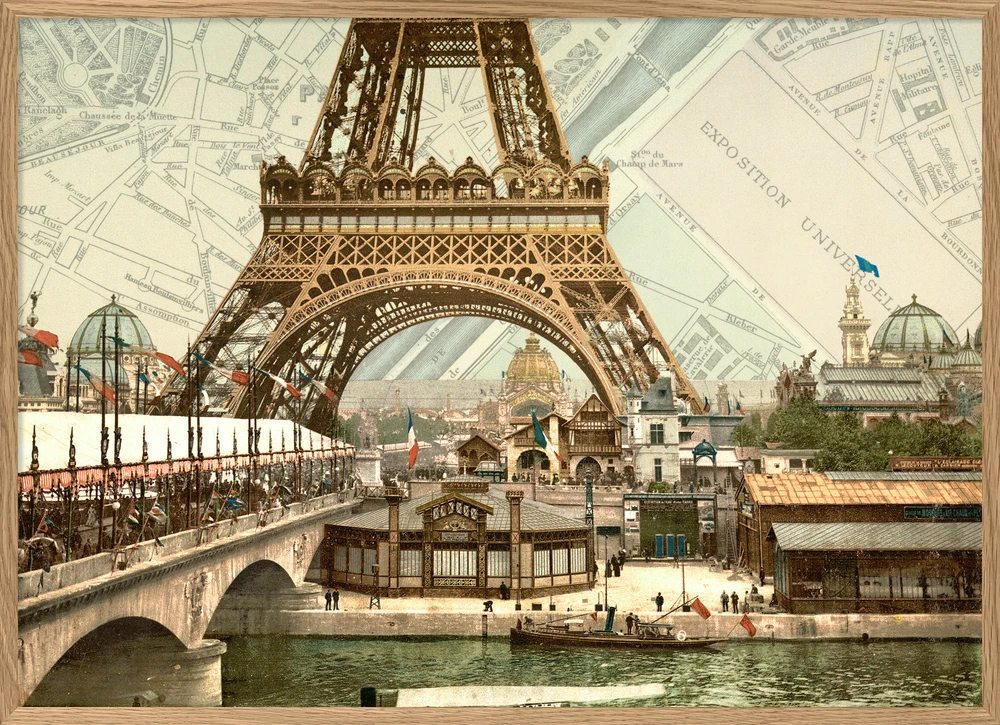
Conceived for the 1889 Exposition Universelle, the Eiffel Tower crystallized late-19th-century France’s obsession with iron and innovation. Gustave Eiffel’s company erected the open-lattice structure in just over two years (1887–1889), assembling more than 18,000 prefabricated puddled-iron pieces with about 2.5 million rivets. The tower’s square base (roughly 125 meters per side) supports a tapering framework designed to shed wind loads, a central challenge for structures that break height records. At completion in March 1889, the Eiffel Tower was about 300 meters to the top of the flagpole (now 330 meters including modern antennas), surpassing the Washington Monument to become the world’s tallest human-made structure. Though envisioned as a temporary installation, its scientific value—meteorology, aerodynamics, and, later, radio transmission—helped justify permanence. Even critics who called it a “tragedy in metal” could not blunt the public’s fascination once the lifts opened and panoramic views of Paris became part of the experience.
From Controversy to Cultural Icon
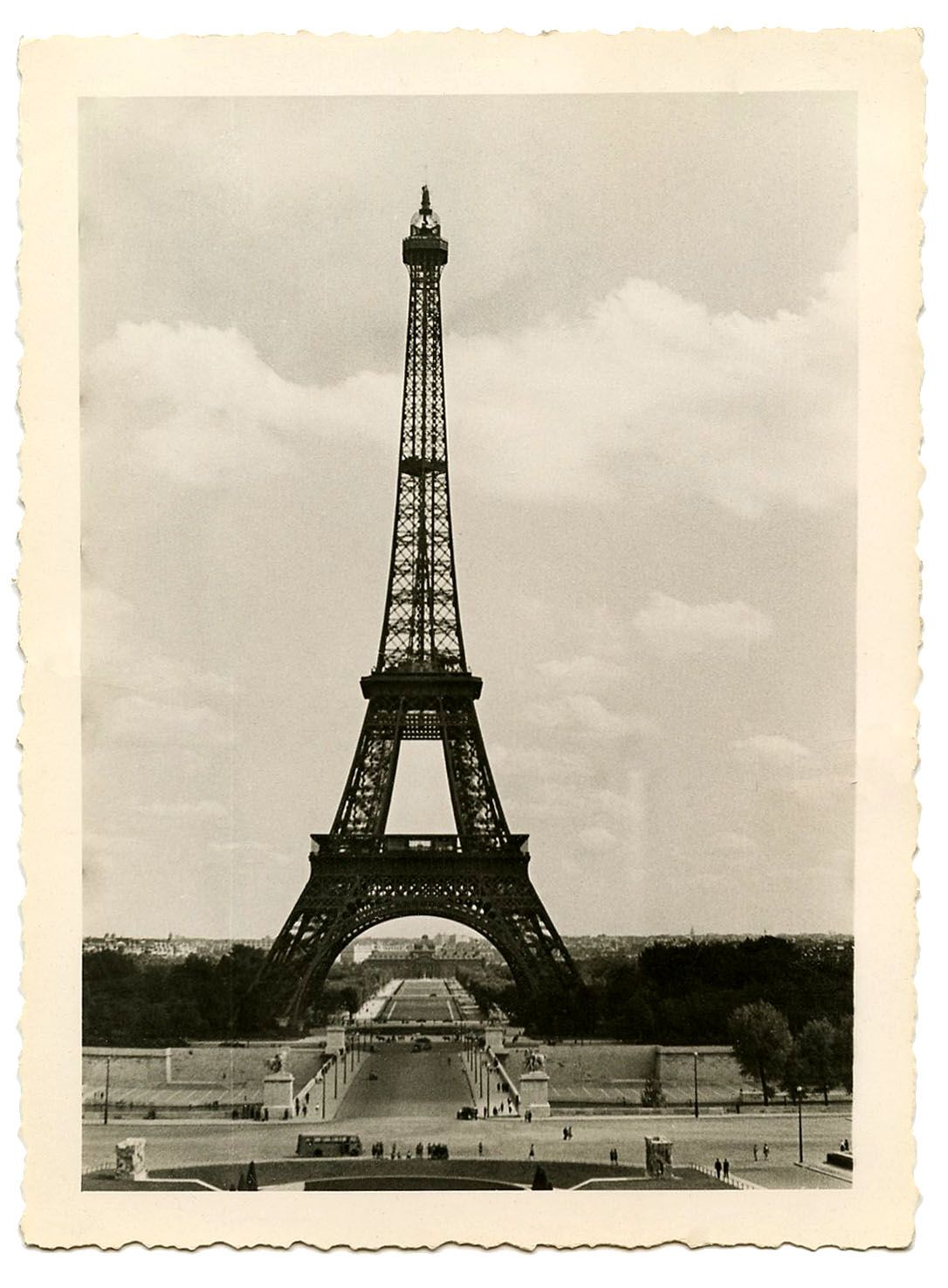
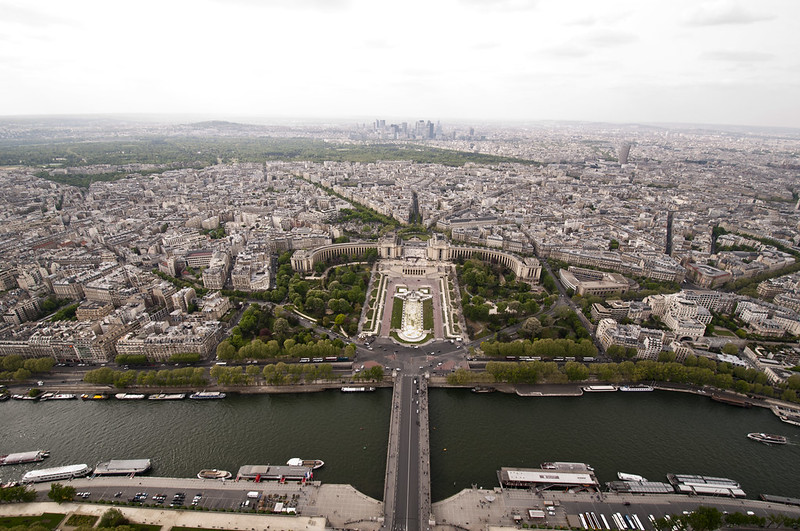
Early reception was polarized. Prominent artists signed letters denouncing the tower as an industrial scar on Paris’s skyline. Yet the public flocked to it, and its role quickly expanded beyond spectacle. In 1909, when a 20-year concession was due to expire, radio experiments being conducted from the tower—followed by long-range telegraphy—cemented its usefulness; demolition was averted. During World War I, the tower’s communications helped the French military, and in later decades it became an instrument for broadcasting radio and television. These functions continually renewed the structure’s relevance as technology evolved, culminating in periodic antenna upgrades that brought the tip to 330 meters in the 21st century. Equally transformative was the tower’s ascent into popular culture: postcards, films, literature, and fashion made it shorthand for Paris itself. Wedding proposals on the esplanade, Bastille Day fireworks exploding around its silhouette, and nightly illuminations—with a glittering display at the top of each hour—turned a once-divisive experiment into a civic ritual. The site’s hospitality infrastructure kept pace: restaurants on the first and second levels, exhibitions on engineering and history, and glass floors that let visitors peer down at the bustling Champ de Mars.
Planning Your Visit (Practical Tips)
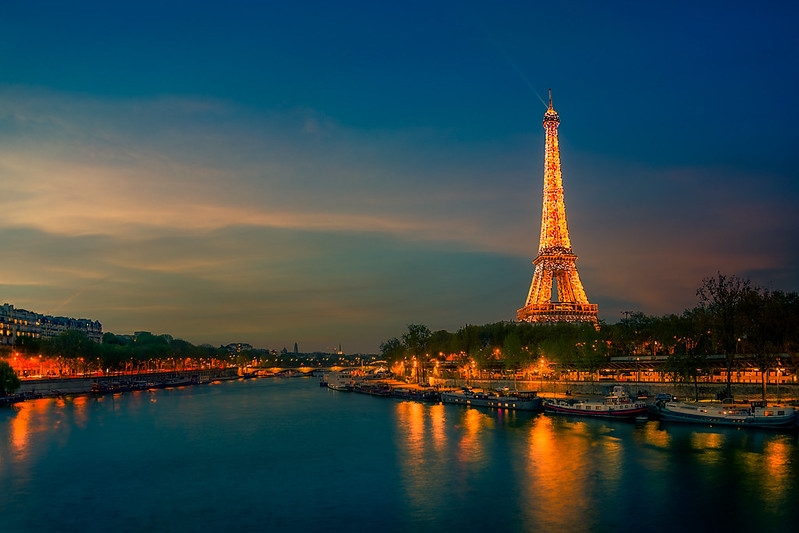
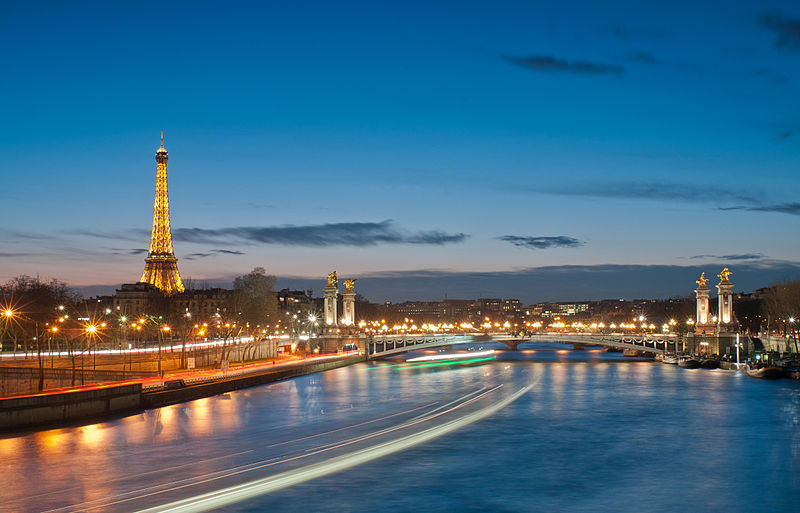
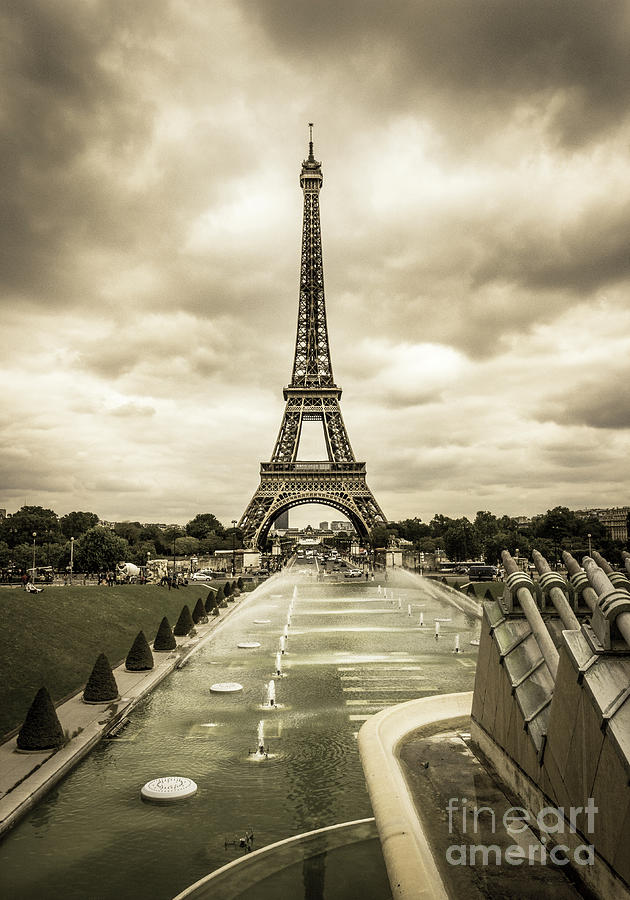
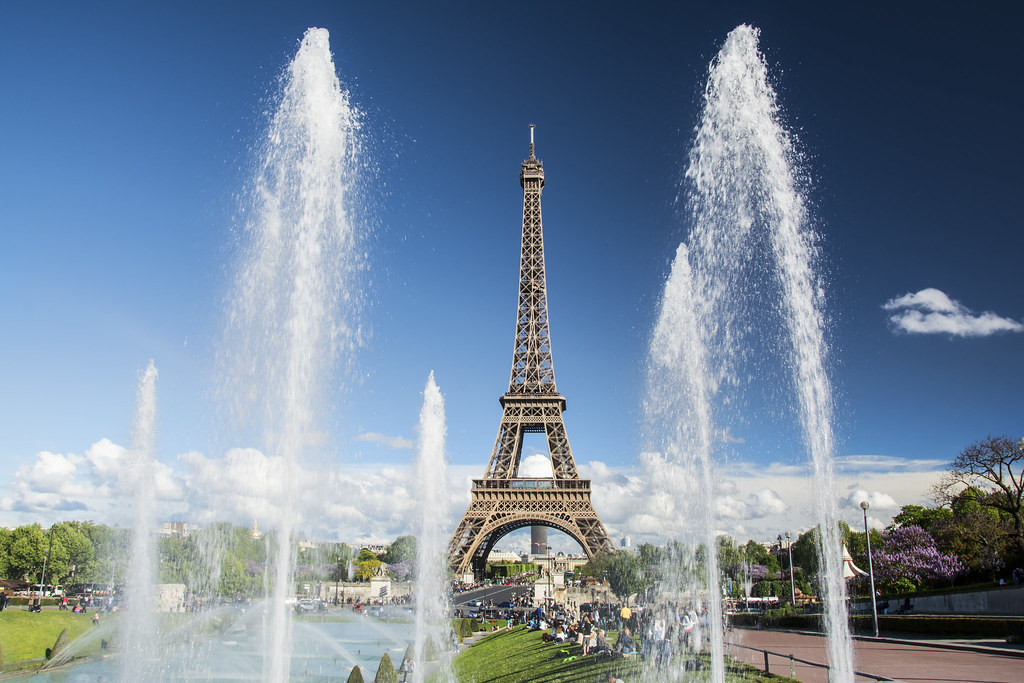
Today, the Eiffel Tower remains Paris’s most visited paid monument. To navigate it like a pro, book timed tickets well in advance—especially if you want summit access. Fitness-minded travelers can climb the stairs to the second level (saving time when elevator lines swell) and then continue by lift to the summit platform at about 276 meters. The best photography vantage points are free: Trocadéro (for a grand postcard view), the Champ de Mars (for symmetry), and the Seine’s bridges at blue hour. Inside the monument, arrive early or late in the day to avoid mid-afternoon bottlenecks; sunrise and just-before-closing entries can be delightfully calm. Security screening is airport-style—travel light—and note that tripods and glass bottles are restricted. Because Paris weather turns quickly, pack a light layer; wind increases with height, and temperatures drop noticeably at the summit. If you plan to pair the tower with nearby attractions, reserve time for a stroll along the UNESCO-listed Banks of the Seine and consider a river cruise that frames the tower in constantly shifting perspectives. Beyond logistics, the most rewarding approach is to treat the Eiffel Tower as both machine and museum: study its riveted nodes, the graceful parabolic curves that meet at cast-iron shoes, and the way the lattice casts a filigree of shadows across the platforms. You are standing inside a working diagram of modernity—one that Paris has, over 130 years, transformed into a living emblem.