Tucked away on the quiet banks of the Bièvre, far from the grand theatrics of Chambord or Chenonceau, Fougères-sur-Bièvre Castle tells a more intimate story of the Loire Valley. It is a fortress you can read like a book—page by page, stone by stone—tracing the transition from harsh medieval realities to the softer light of the French Renaissance.
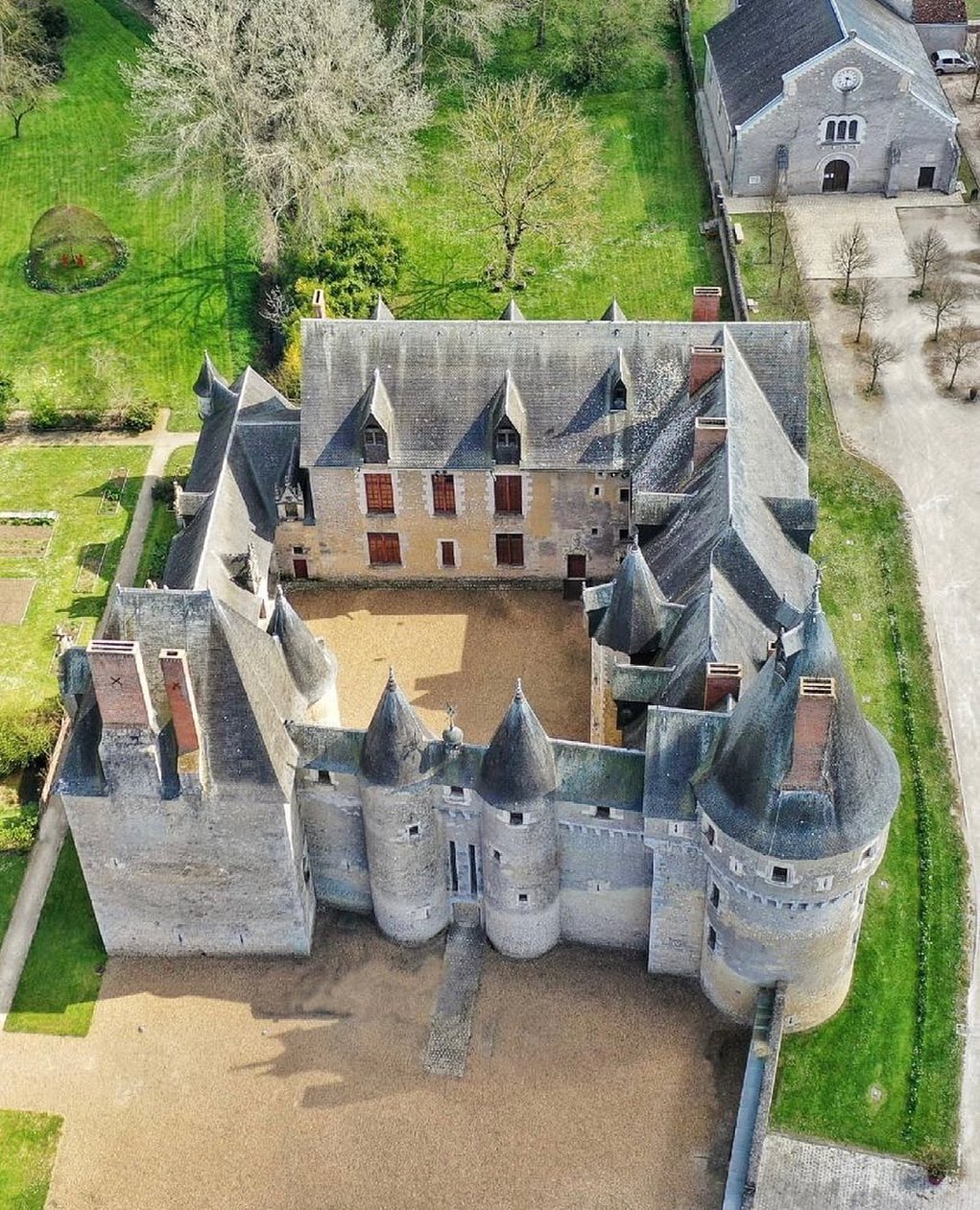
The site’s origins reach back to the 11th century, when a seigneurial stronghold guarded this fertile corner of Touraine. What you see today is largely the result of a 15th-century reconstruction after the Hundred Years’ War: high curtain walls, machicolations, and watchtowers designed to deter raiders and assert seigneurial power. Yet even as the structure proclaims defense, hints of comfort and fashion begin to surface—wider windows, carved lintels, and fireplaces that speak to a life no longer lived entirely on the ramparts.
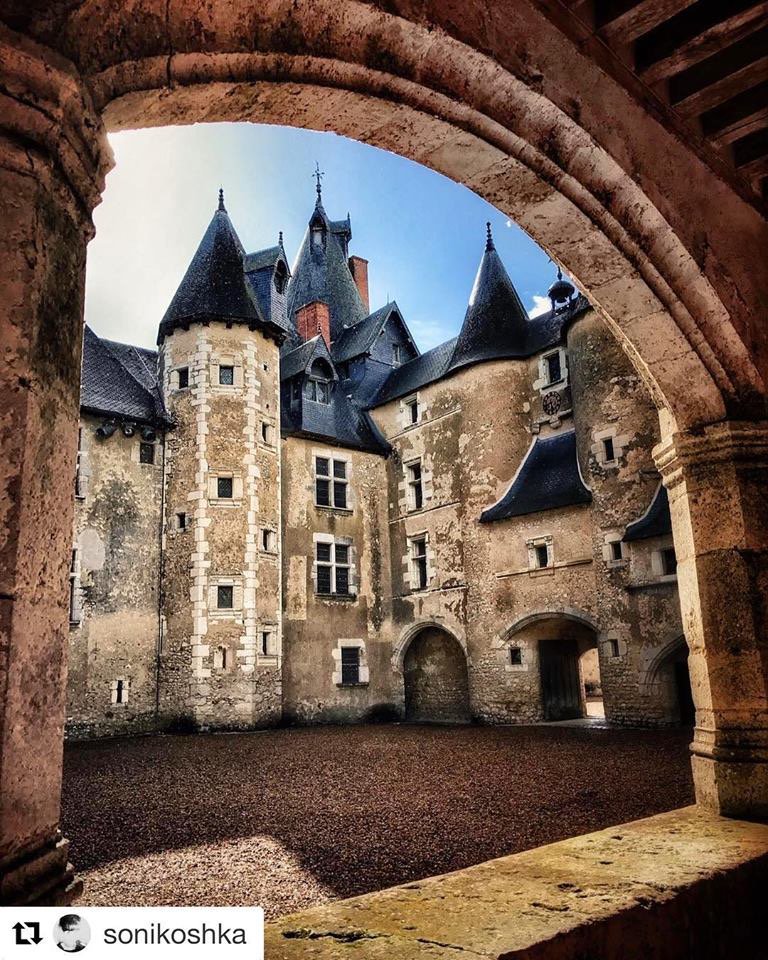
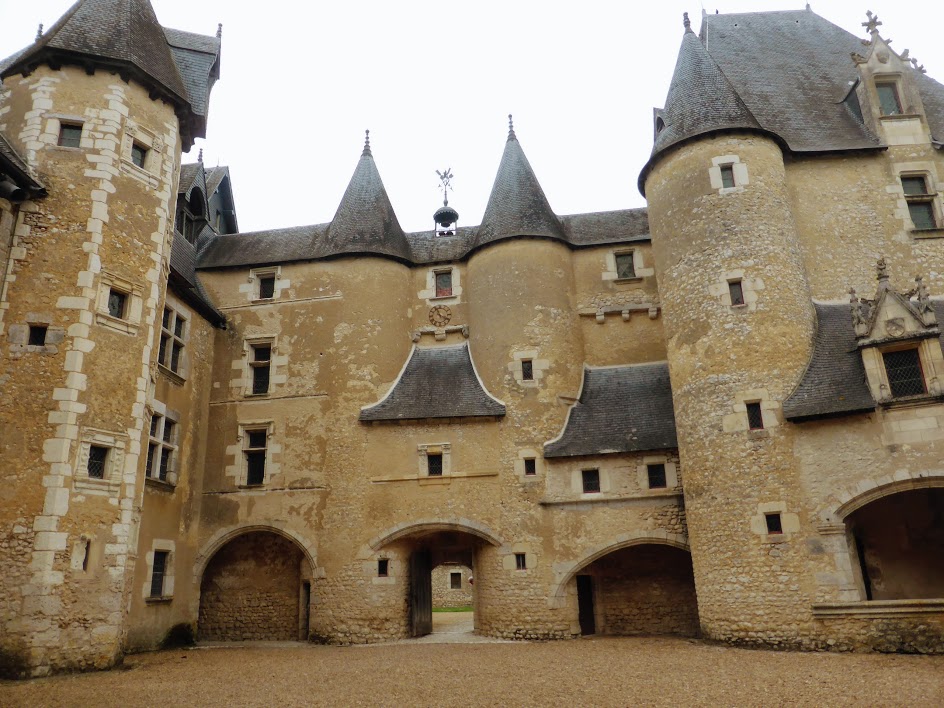
Step through the gatehouse and the courtyard opens like a stage. The austere keep gives way to galleries and timbered walkways; a steep, hipped roof breaks into dormers and chimneys, each detail tracing an arc from fortress to residence. In the 16th century, new owners added Renaissance refinements—symmetry, classical motifs, and a more gracious sense of proportion—revealing a France in transition from feudal grievance to humanist curiosity.
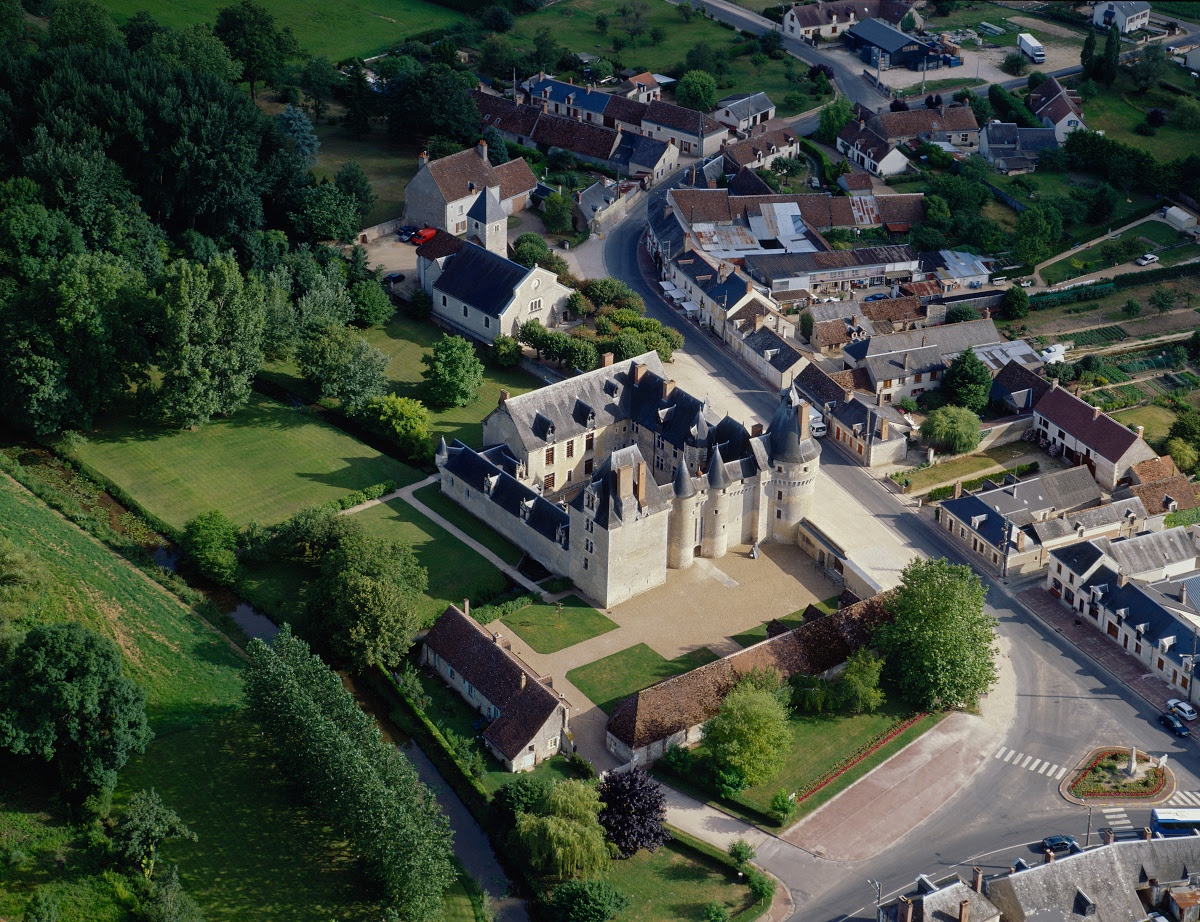
The surrounding village remains part of the castle’s charm. Workshops once hummed nearby; a watercourse powered mills that served estate and town alike. Inside, restored interiors glow with honeyed light, their bare stone and timbers emphasizing structure over spectacle. It is a place to feel how people actually lived—how food was stored, how heat was kept, how sound carried from hall to stair.
Unlike the great showpieces of the Loire, Fougères-sur-Bièvre resists extravagance. Its beauty lies in clarity: the geometry of towers, the rhythm of arrow slits, the measured curve of a spiral stair. From the parapet, the countryside spreads green and generous, and the castle seems less an island of power than a companion to the land that sustained it.
In an era that often measures value by scale, Fougères-sur-Bièvre argues for intimacy. Here, history is not a spectacle at a distance; it is a conversation at arm’s length—one you carry with you as you step back across the bridge into the present.