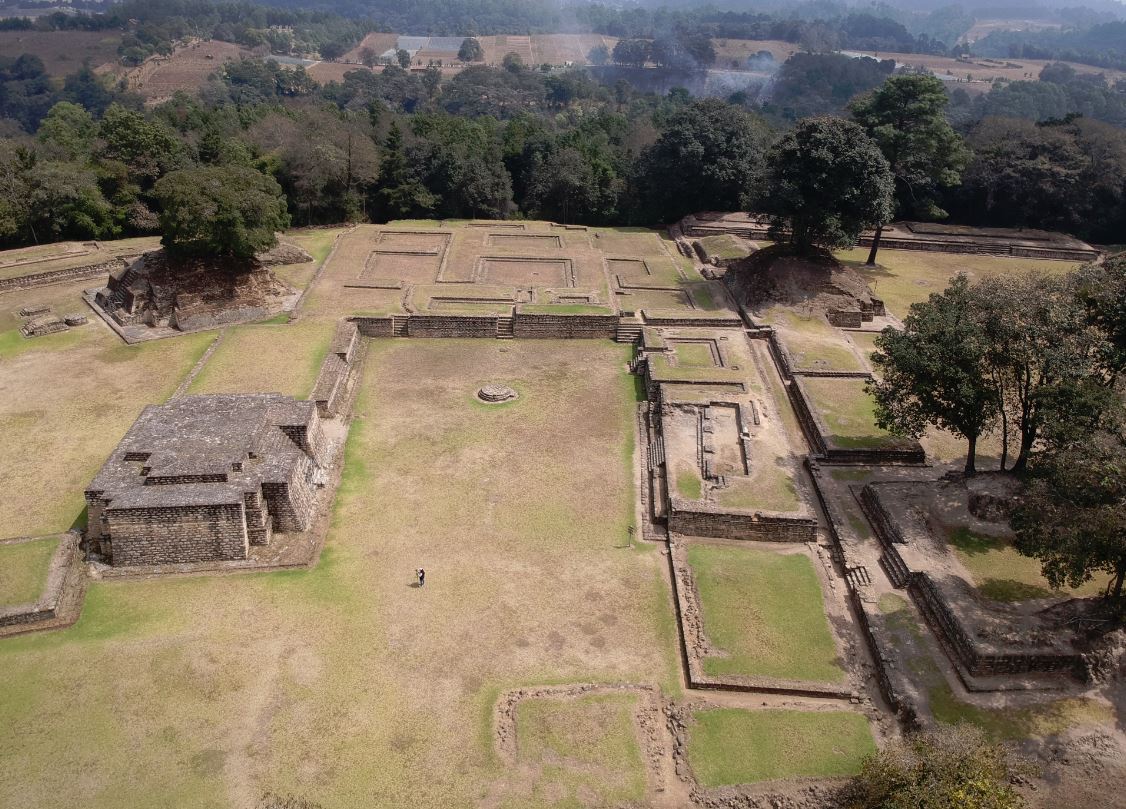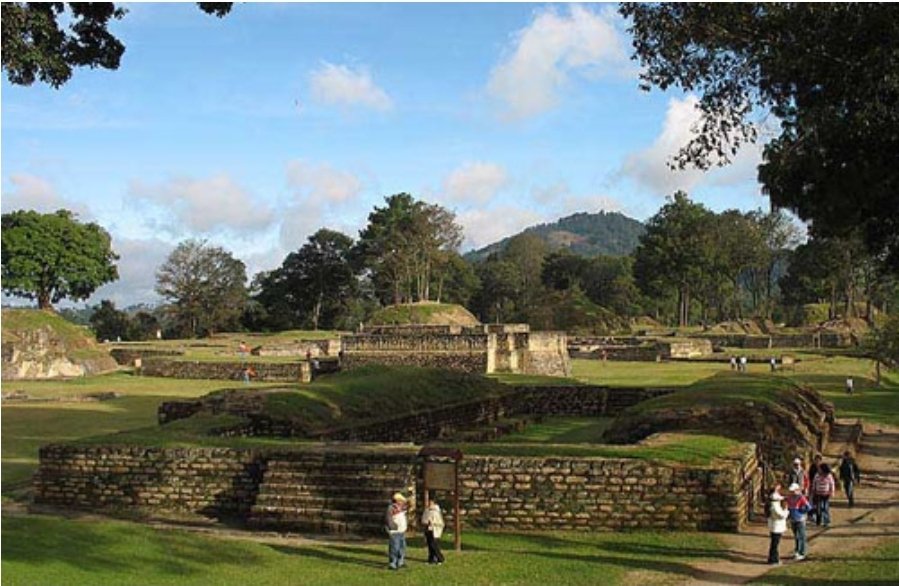
Iximche (pronounced [iʃimˈtʃeʔ] in Mayan, or Iximché in Spanish orthography) stands as a powerful testament to the ingenuity and fierce independence of the Kaqchikel Maya. Located in the rugged western highlands of Guatemala, this Pre-Columbian Mesoamerican archaeological site served as the thriving capital of the Late Postclassic Kaqchikel kingdom from approximately 1470 until its abandonment in 1524.
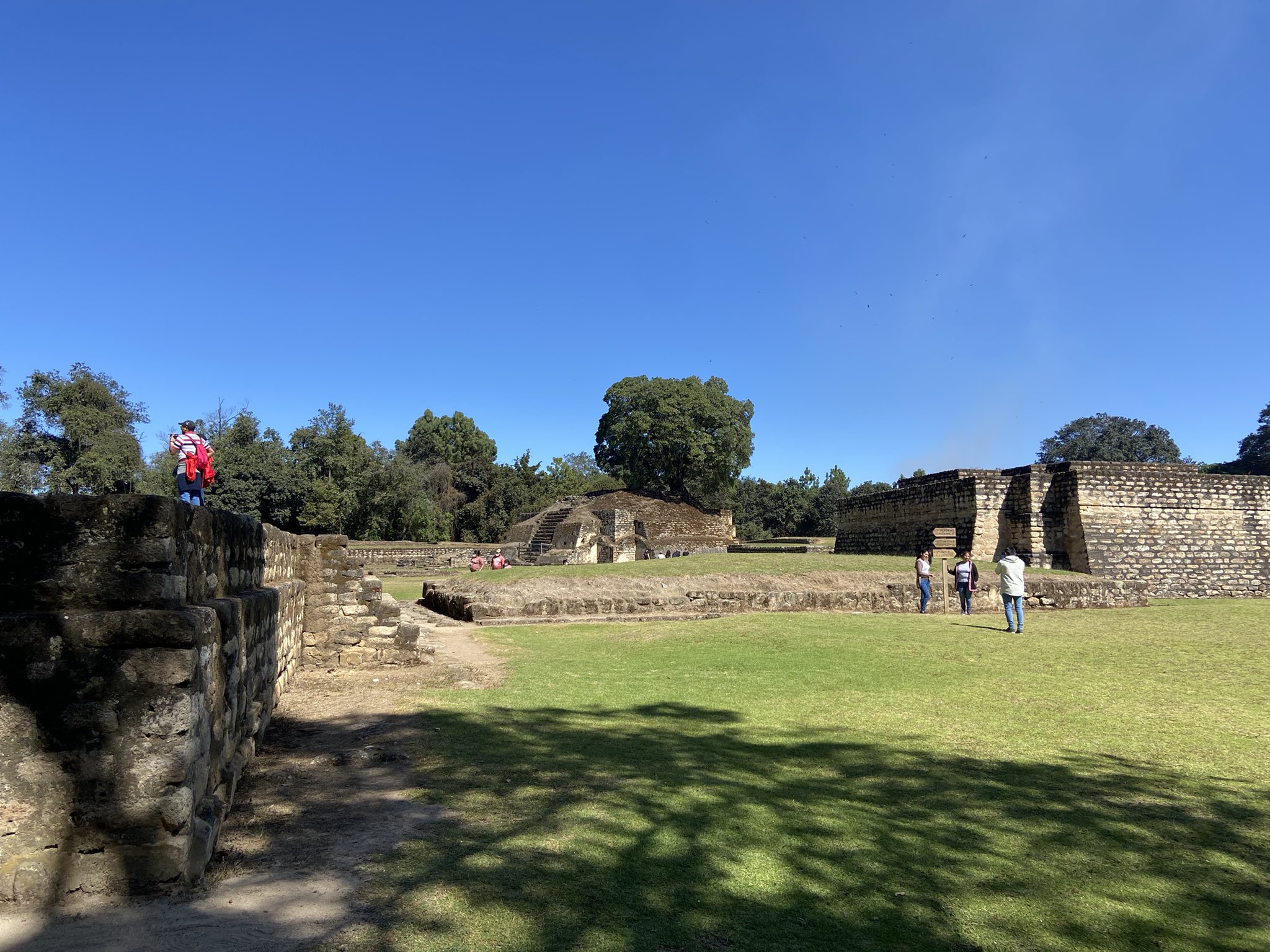
Perched upon an easily defensible ridge, almost entirely encircled by deep ravines, Iximche’s strategic location was paramount to its success and survival. The architecture of the site is characteristic of the Late Postclassic highland Maya, featuring several impressive pyramid-temples, palaces, and two Mesoamerican ballcourts. While preservation is often poor, excavators have uncovered fragments of painted murals and compelling evidence of ritual practices, including human sacrifice, reflecting the city’s complex religious life. Declared a Guatemalan National Monument in the 1960s, the site now hosts a small museum and remains an active sacred place for Maya ceremonies.
From Loyal Allies to Fierce Rivals
The history of Iximche is intrinsically linked to the Kaqchikel’s relationship with their more powerful neighbors and former allies, the Kʼicheʼ Maya. For many years, the Kaqchikel served loyally under the powerful Kʼicheʼ king, Kʼiqʼab. The Kaqchikel rulers, Hun-Toh and Wuqu-Batzʼ, were granted the prestigious royal titles Ahpo Sotzʼil and Ahpo Xahil, signaling their rising influence. However, this growing power fueled jealousy among the Kʼicheʼ nobility, eventually leading to a serious revolt against Kʼiqʼab’s authority.
According to the foundational text, the Annals of the Kaqchikels (written in the Kaqchikel language using Latin characters shortly after the Conquest), a minor incident involving a Kʼicheʼ soldier and a Kaqchikel bread seller in the Kʼicheʼ capital of Qʼumarkaj escalated into a major political crisis. Despite the Kʼicheʼ king’s warnings, the Kaqchikel lords were sentenced to death. On the day 13 Iqʼ of the Kaqchikel calendar (around AD 1470), the Kaqchikel people, led by their four principal lords (most notably those from the Sotzʼil and Xahil clans), fled Qʼumarkaj to found their own sanctuary and capital: Iximche.
The Golden Age of Iximche
Kʼiqʼab honored his friendship with the Kaqchikel, preventing his nobles from attacking them while he lived, granting Iximche the crucial time needed to build and fortify its new kingdom. The city developed rapidly and reached its maximum extent within 50 years of its foundation. The Kaqchikel kings, notably Oxlahuh-Tzʼiʼ and Kablahuh-Tihax, established the kingdom’s independence with a definitive victory over the Kʼicheʼ around 1491, capturing their kings and the idol of their main deity, Tohil.
Though internal strife, including a rebellion by the Akahal and Tukuche clans crushed in 1493, briefly interrupted their rise, the Kaqchikel kingdom, led by its dual rulers, continued to expand rapidly at the expense of the Kʼicheʼ throughout the early 16th century. By the time the Spanish arrived, Iximche was the second most important city in the Guatemalan Highlands, poised to become the region’s dominant power.
The Spanish Arrival and the Fall of the Capital
Before the physical arrival of the Spanish, the Kaqchikel received warnings from the Aztec emperor Moctezuma II in 1510 and again in 1512, alerting them to the strangers in the Caribbean and Yucatán. More devastating than any human army, however, were the European diseases: a terrible plague, likely smallpox, struck Iximche in 1519 and decimated its population for two years, severely weakening the kingdom.
Following the fall of the Aztec capital, Tenochtitlan, the Kaqchikel, seeking to maintain their power against other highland groups, offered an alliance to Hernán Cortés. In February to March 1524, Conquistador Pedro de Alvarado defeated and executed the Kʼicheʼ kings at Qʼumarkaj. In April 1524, Alvarado was welcomed into Iximche by the new Kaqchikel kings, Belehe Qat and Cahi Imox, who provided native soldiers to aid the Spanish in conquering the neighboring Tzʼutuhil kingdom.
This fragile alliance was short-lived. On July 27, 1524 (1 Qʼat), Alvarado declared Iximche the first capital of Guatemala, naming it Santiago de los Caballeros de Guatemala.
However, Alvarado quickly began demanding excessive tributes, including 1000 gold leaves from the Kaqchikel kings, equivalent to 15 pesos each. Faced with impossible demands, the Kaqchikel priests foretold the destruction of the Spanish, and the entire populace abandoned Iximche and fled to the forests and hills on August 28, 1524 (7 Ahmak). The Spanish promptly declared war.
Two years later, in February 1526, Spanish deserters further vandalized the site, burning the palace of the Ahpo Xahil and sacking the temples, an act the Kaqchikel understandably blamed on Alvarado. Although the Spanish attempted to establish a new town nearby, Tecpán Guatemala, continuous Kaqchikel hostility forced them to abandon it in 1527. The fierce Kaqchikel resistance only ceased when their two principal kings finally returned from the wilds and surrendered in 1530 at the new Spanish capital at Ciudad Vieja, marking the final end of Iximche’s political independence.
Iximche Today: A Sacred and National Monument
Iximche was largely left to ruin but its significance was never fully forgotten. Its ruins were first described by historians in the late 17th century. Serious scientific investigations began in the 1940s. Beyond its archaeological value, Iximche holds deep contemporary cultural significance. It was the site of a pivotal meeting during the Guatemalan Civil War and, in 1989, a ritual was held to re-establish the ruins as a sacred place for Maya ceremonies. Today, it serves as an important spiritual center for the Kaqchikel people and other Maya groups, blending its ancient history with the living culture of the Guatemalan highlands.